


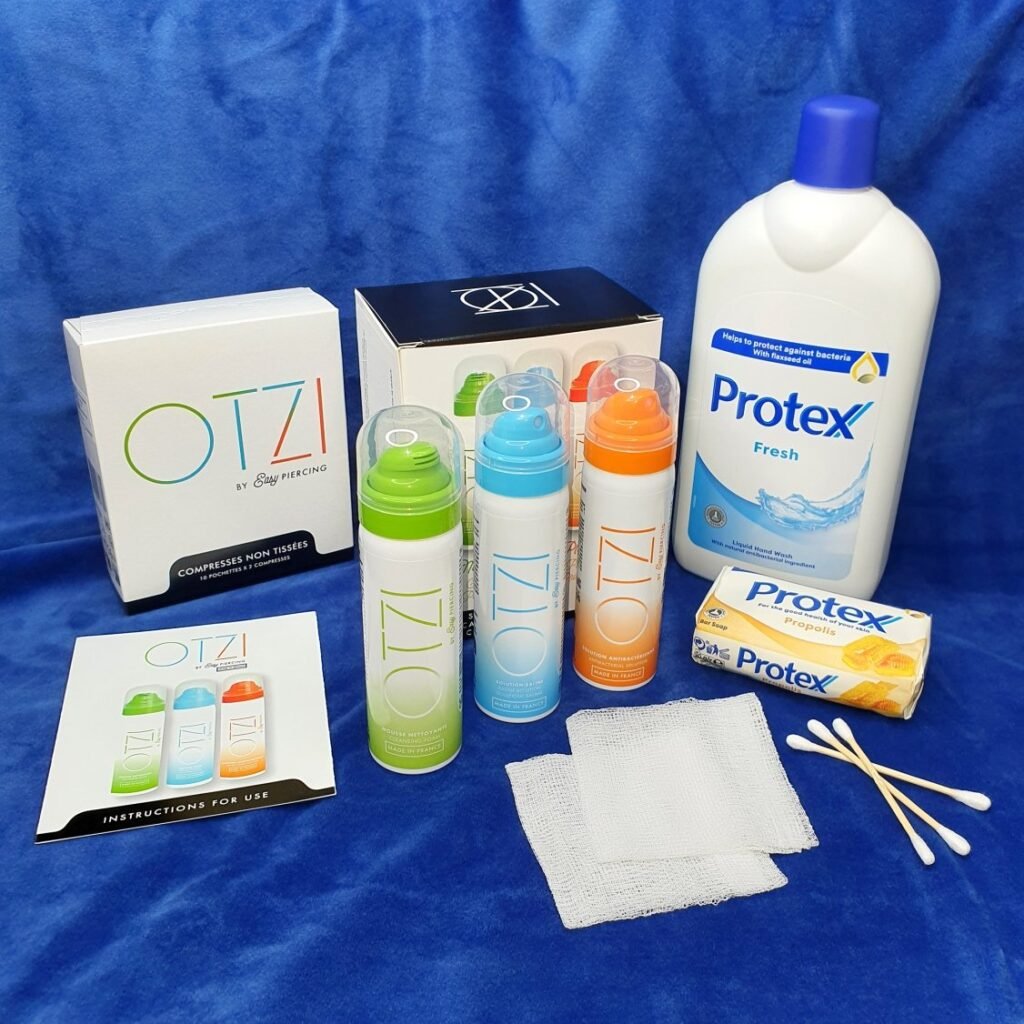
For a piercing to heal properly and without complications, it requires responsible daily care. Because using the right products is essential for smooth healing, we have prepared an overview of what to use when cleaning a piercing, what is best avoided, and what can actually be harmful to the healing process.
What Should You Use to Clean a Piercing?
The single most important step in caring for a new piercing is choosing an appropriate cleaning product. Opinions on the best option often differ—some studios recommend antibacterial soap, while others prefer saline-based products or sea salt solutions. At Root Down, we rely on more than 25 years of professional experience and recommend both approaches, while considering antibacterial soap to be the essential foundation of proper piercing care.
Why Use Antibacterial Soap and What Are Its Benefits?
Antibacterial soap is ideal for cleaning a fresh piercing because it not only effectively removes scabs, crusts, discharge, and excess oil, but also cleans dried debris that may accumulate on the jewellery—something saline solutions often cannot do as effectively. Unlike saline solutions, which are primarily intended for rinsing wounds, soap works directly on the skin surrounding the piercing, providing thorough cleansing and disinfection. Its ability to remove oils and residue that can build up during healing is important for a safe and efficient recovery process. In addition, antibacterial soap helps eliminate harmful bacteria that could slow healing or lead to infection. Its antibacterial properties protect the piercing and support proper skin regeneration, which is essential for preventing complications.
Saline Solution and Its Benefits
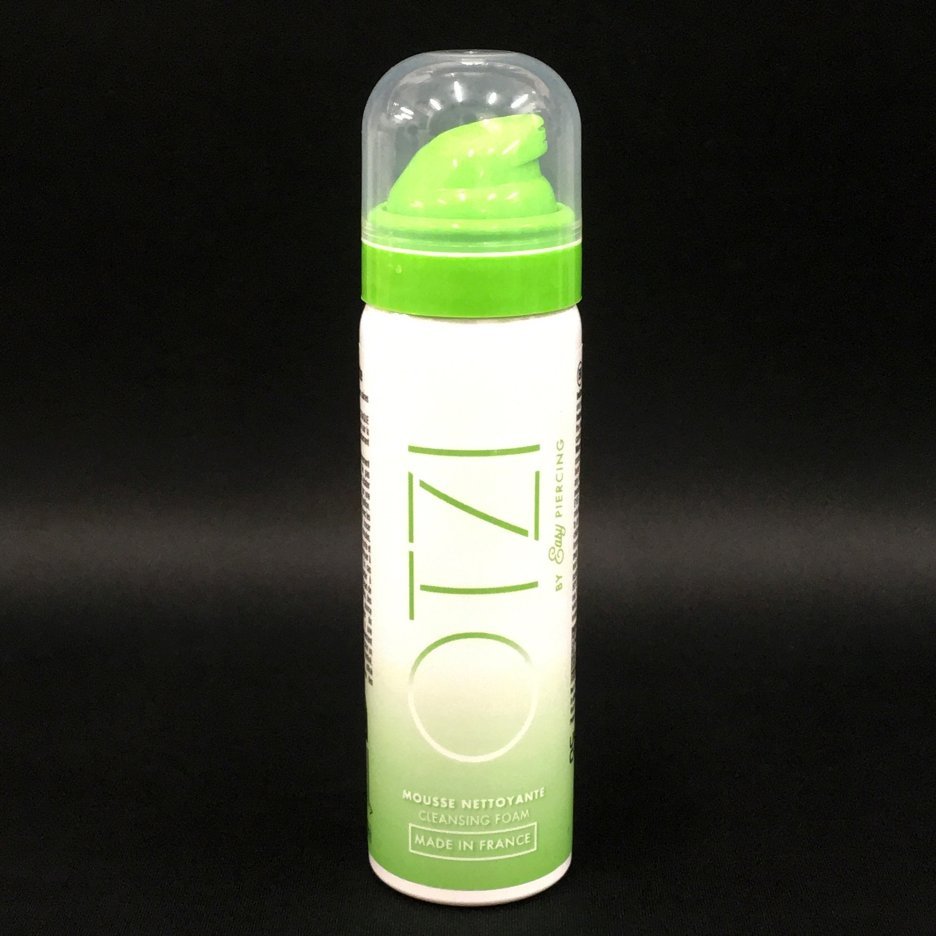
Unlike antibacterial soap, which is primarily focused on removing dirt and bacteria, saline solution (or sea salt solution) is often used as a gentler alternative for rinsing piercings, particularly for individuals with very sensitive skin. Saline solution has a pH very similar to that of human cells, making it a mild option for people prone to allergic reactions or skin irritation. It is also ideal for those whose skin is so sensitive that even a high-quality, gentle antibacterial soap may cause irritation or dryness.
Saline solutions are gentle and do not cause skin irritation or dryness, which is particularly important during long-term piercing care. Another significant advantage of saline solution is its practicality in situations where rinsing with water is not possible, such as when travelling or in places without access to clean water. In these situations, saline solution provides a convenient way to keep a piercing clean when thorough washing with soap and water is not available.
Combining Antibacterial Soap and Saline Solution
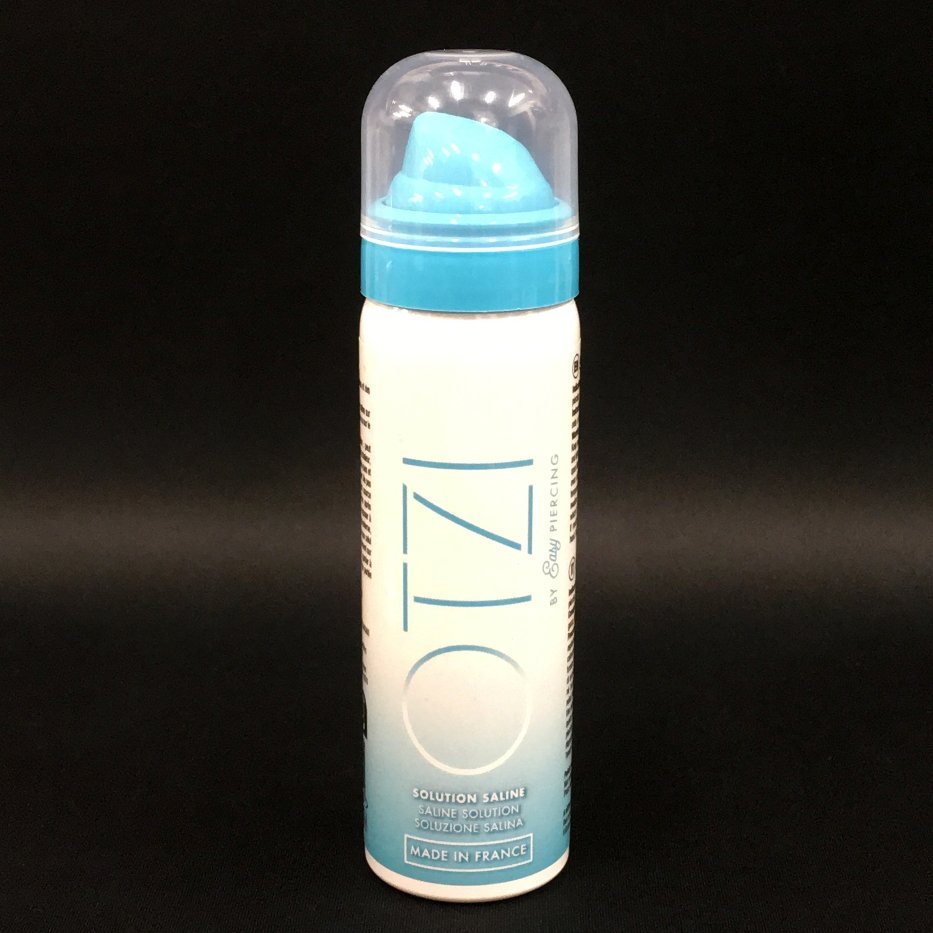
The ideal piercing aftercare routine combines both methods. Antibacterial soap effectively removes all dirt, residue, and buildup that accumulates on the jewellery and surrounding skin throughout the day, while the subsequent use of saline solution helps soothe the skin, support the natural healing process, and maintain a balanced environment around the piercing. Together, these methods create a comprehensive aftercare routine that is both gentle and highly effective.
MBA Antibacterial Solution – Why Include It in Your Piercing Aftercare Routine?
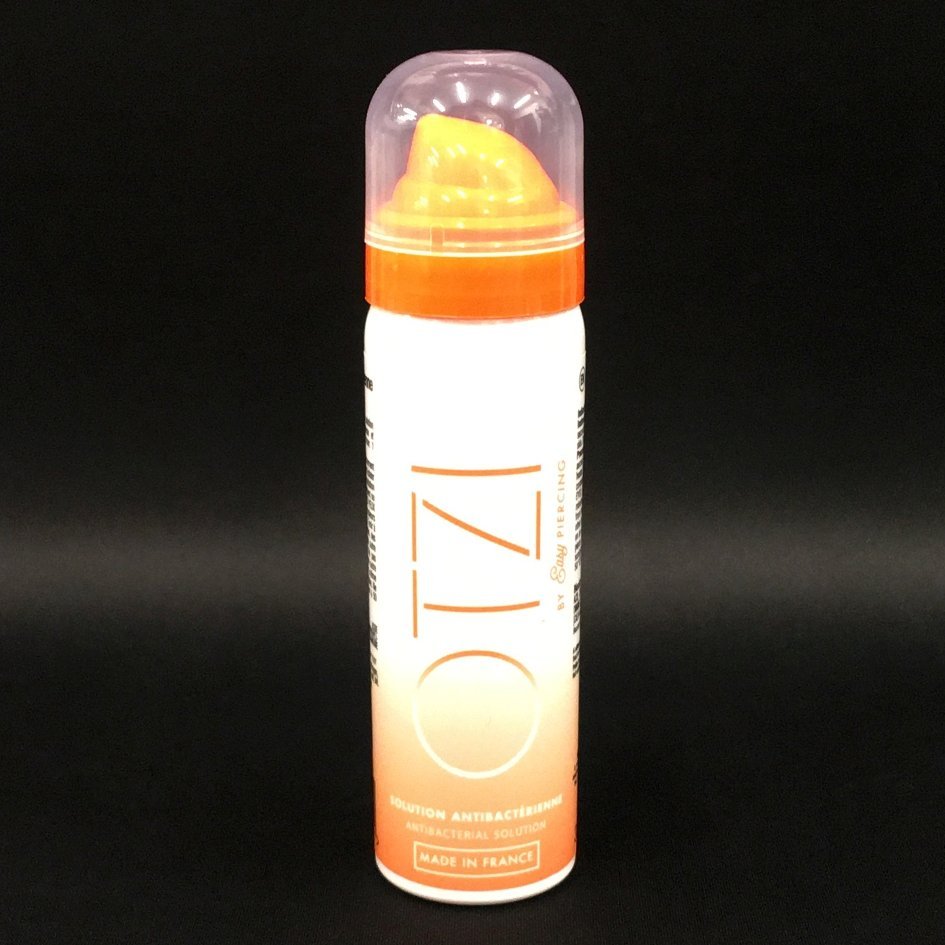
The third and final step in the optimal piercing aftercare routine recommended at Root Down is the use of MBA Antibacterial Solution. This proven spray acts as an antibacterial booster, providing additional protection during the early stages of healing by helping minimise the risk of infection and creating an antibacterial layer on both the skin and the jewellery.
While antibacterial soap and saline solution play their roles in cleansing and supporting the healing process, the antibacterial solution adds another level of protection by eliminating harmful bacteria and helping maintain a safe environment for the piercing.
How Does the Antibacterial Solution Work?
After cleaning with antibacterial soap and rinsing with saline solution, the skin is free of impurities and ready for the application of the antibacterial solution. The spray is applied directly to the dry piercing, where it acts as a protective antibacterial shield. It should not be rinsed off or wiped away but allowed to air dry naturally so it can work effectively.
Thanks to its carefully balanced formula, this solution is highly effective against bacteria while remaining gentle on the skin. It contains a small amount of alcohol, which enhances the antibacterial effect of its main active ingredient—chlorhexidine—while minimising the risk of irritation or excessive dryness.
It is important, however, to follow the recommended dosage and duration of use. We recommend using this solution only during the first three weeks of healing. After this period, its use should be reduced or limited to occasional applications when needed—for example during increased physical activity, sports, or travel. Using it more frequently or for longer than recommended may have adverse effects.
This spray is also extremely useful when a healed piercing becomes irritated, for example after being slept on awkwardly or after the jewellery has been snagged. Its use often helps the piercing return to normal very quickly, making it a valuable companion both at home and while travelling.
MBA Antibacterial Solution has also proven highly effective in the care of microdermal implants, which cannot be cleaned with antibacterial soap. In this application, its properties often outperform commonly recommended saline solutions, making it a versatile aftercare product beyond traditional piercings.
Unsuitable Products and What to Avoid
Proper piercing care is not only about knowing what to use but also what to avoid completely. Some commonly used disinfectants and ointments can actually slow down healing or cause unnecessary complications.
Alcohol, Hydrogen Peroxide, Septonex and Home “Disinfectants”
Alcohol-based products such as fruit brandy, vodka, or other spirits are sometimes mistakenly regarded as universal disinfectants, but they are entirely unsuitable for the care of a fresh piercing. Even medical-grade alcohol can cause significant irritation, dry out the skin, and slow down the natural healing process.
Hydrogen peroxide, Septonex, and similar disinfectants can be equally harsh. Although commonly used for treating minor wounds, their aggressive formulations interfere with the regeneration of delicate tissue surrounding the piercing and, particularly with prolonged use, tend to cause more harm than benefit.
Although this may seem contrary to common household remedies or traditional first-aid habits, these substances should never be used for piercing aftercare.
Ointments Such as Framykoin and Other Antibiotic Creams
Ointments such as Framykoin are not suitable because they prevent the skin from breathing and may slow the healing process. In addition, antibiotic ointments do not work as a preventive measure. Unnecessary or prolonged use of antibiotics can contribute to the development of antibiotic-resistant bacteria, reducing the effectiveness of future treatments when a genuine infection occurs. Furthermore, it exposes the body to antibiotic substances without providing any real benefit.
Tea Tree Oil and Other Essential Oils
Although essential oils, particularly tea tree oil, are often recommended as natural antiseptics, their high concentration can cause irritation, excessive dryness, or even chemical burns to the skin. For this reason, we generally do not recommend using tea tree oil on a fresh piercing, even in diluted form. The risk of adverse reactions usually outweighs any potential benefits, and while it may help one person, it can cause significant problems for many others. Therefore, we recommend avoiding its use entirely.
Remember: Proper Care and Patience Are Essential
Choosing the right products is the foundation of fast and trouble-free piercing healing. The ideal approach is to combine antibacterial soap, saline solution, and an antibacterial spray. This three-step combination provides effective cleansing, supports regeneration, and protects against infection without causing unnecessary irritation.
On the other hand, it is advisable to avoid aggressive disinfectants, ointments, alcohol-based products, and unproven alternatives that may slow down healing or cause complications.
In our upcoming article, [How to Care for a Piercing Properly], you will soon find a detailed step-by-step guide, including recommendations on how often and for how long each product should be used.