Opens in a new tab

Kosta

Kosta

tattoo

Tattoo Styles

geometric

ornamental

neotribal

Blackwork

abstract

Professional since 2012

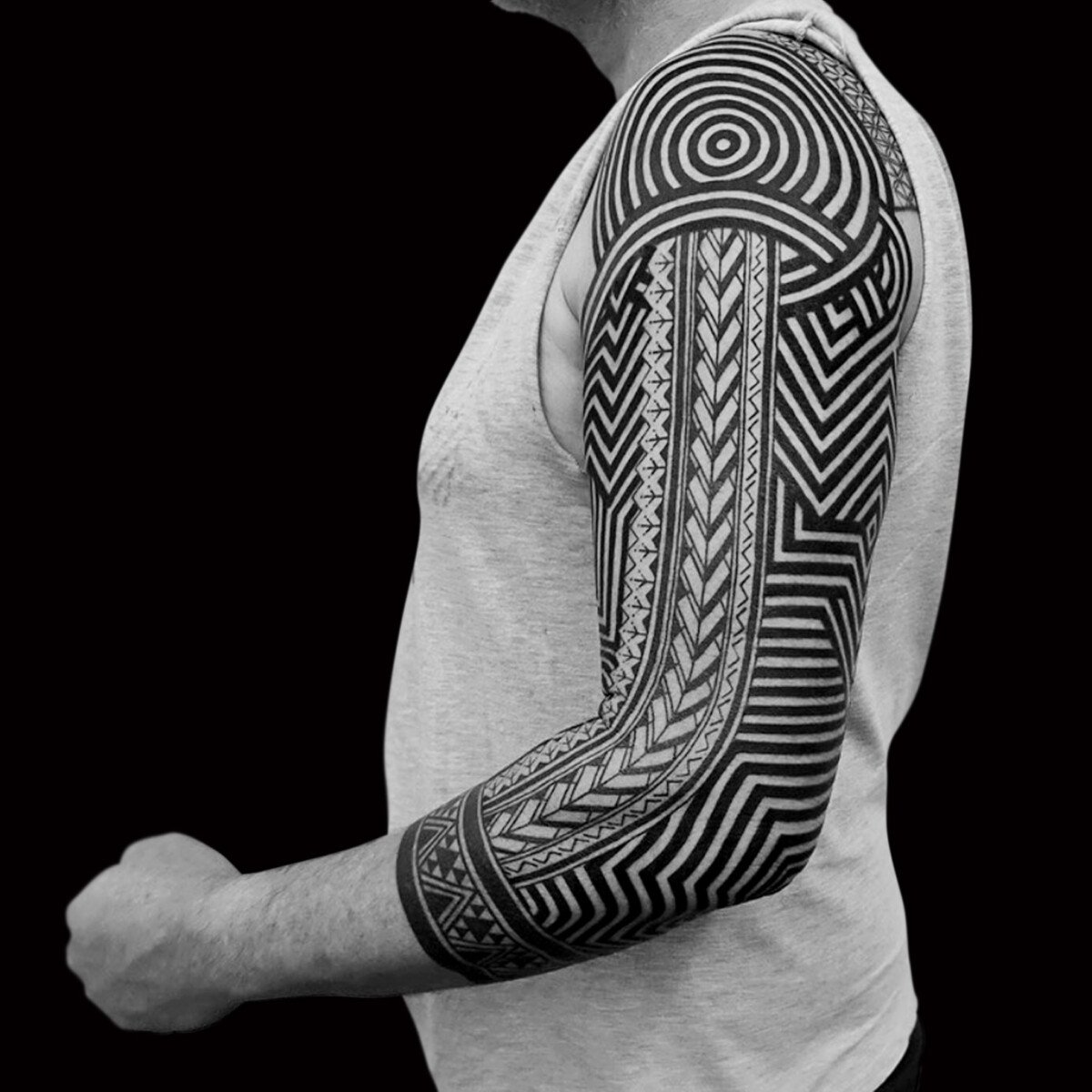
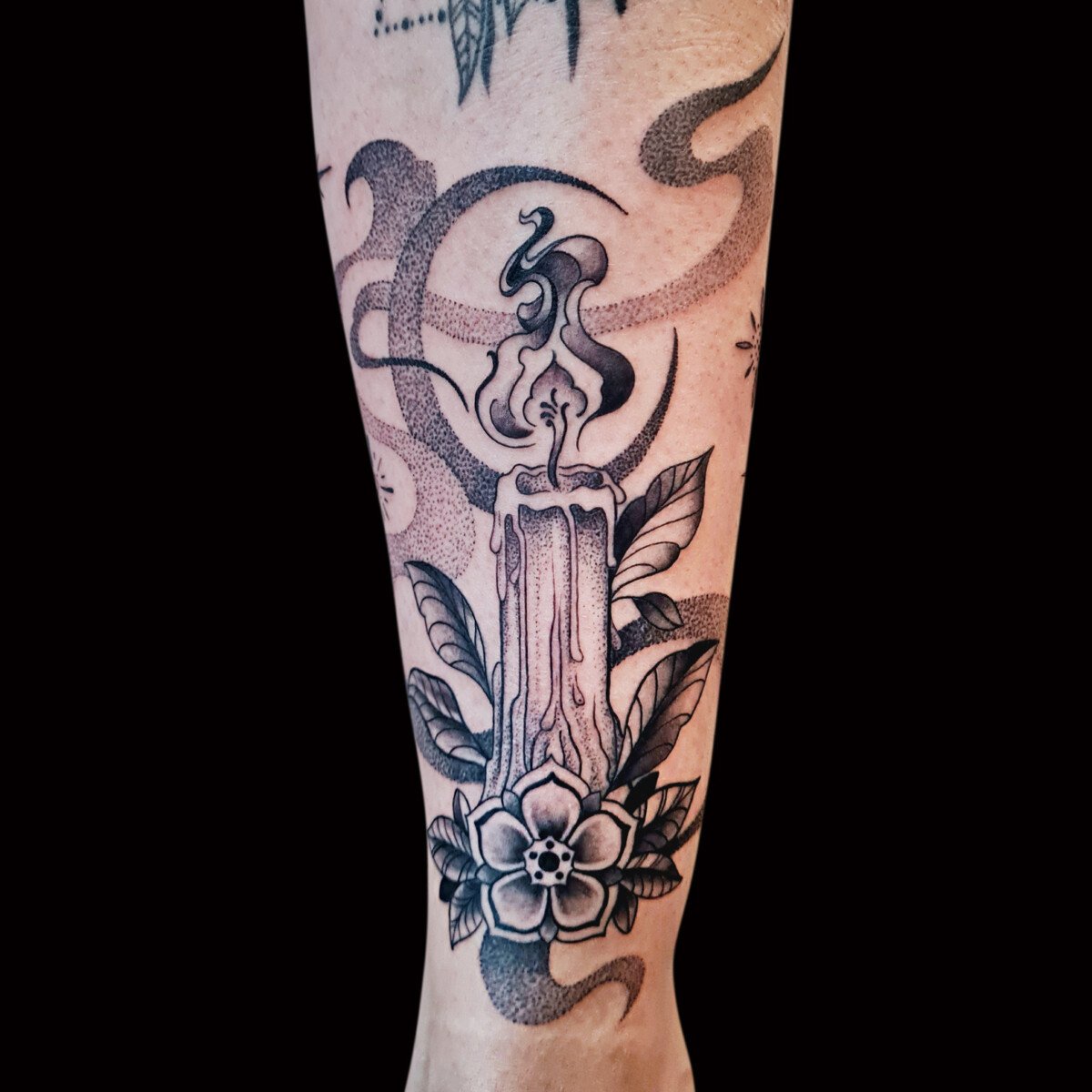
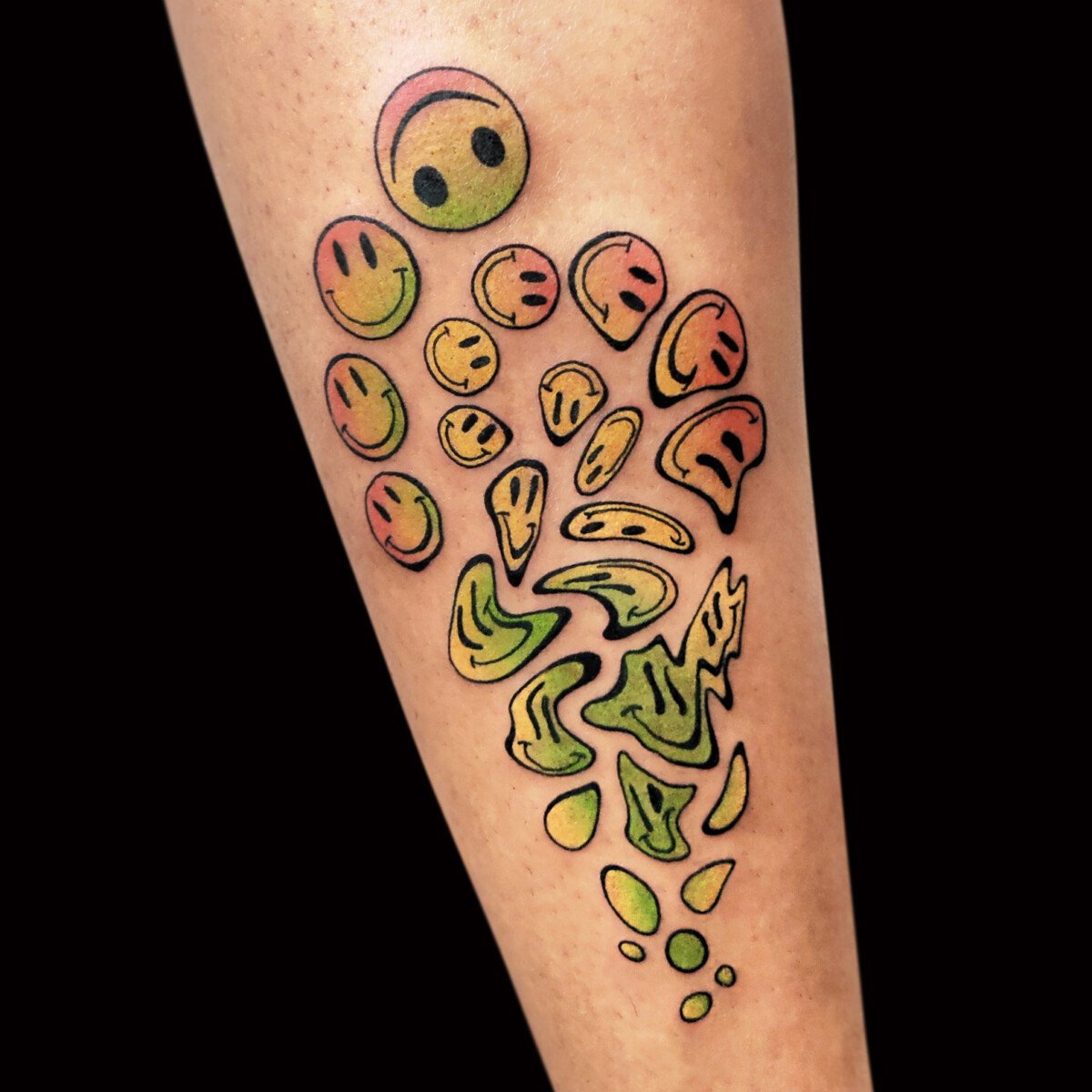
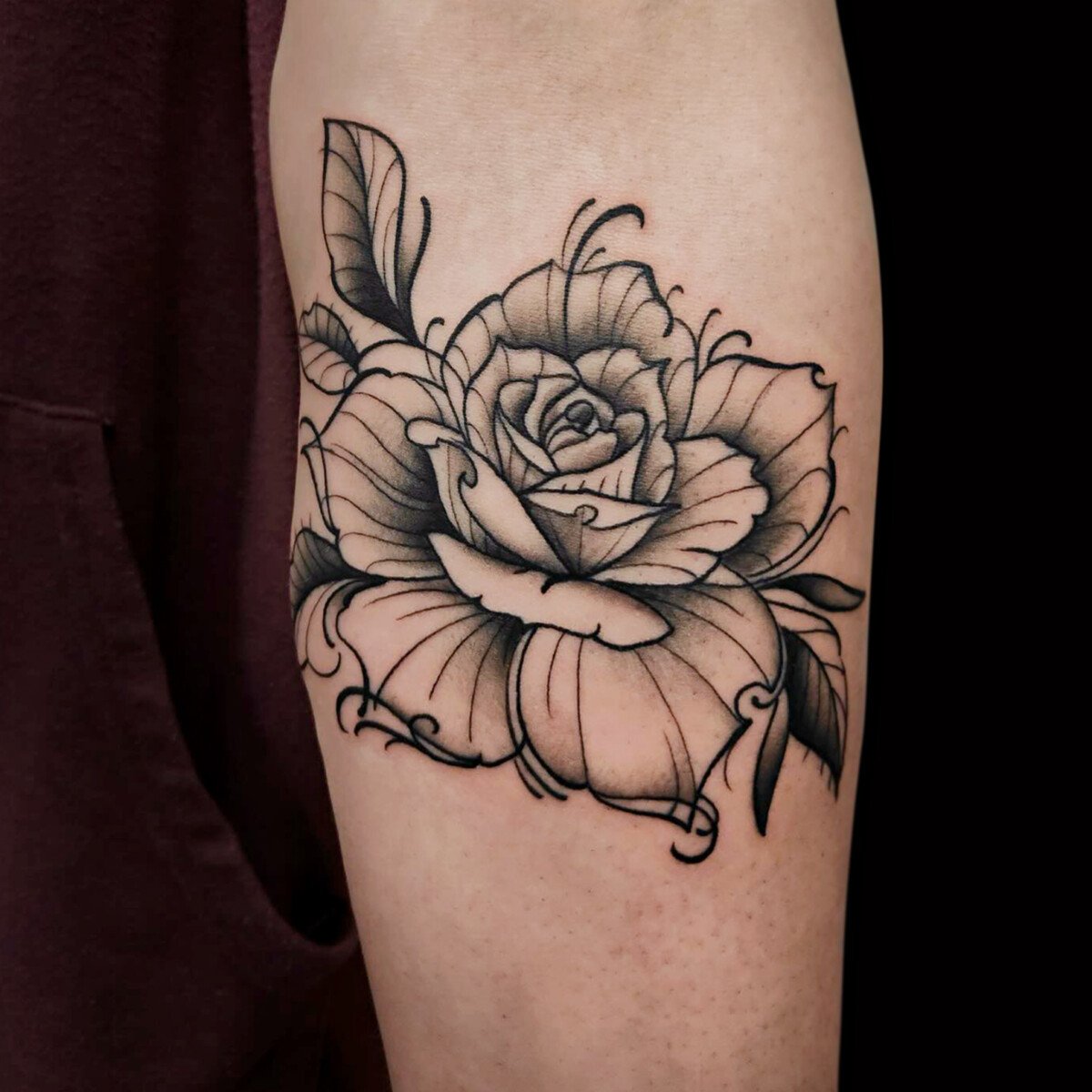
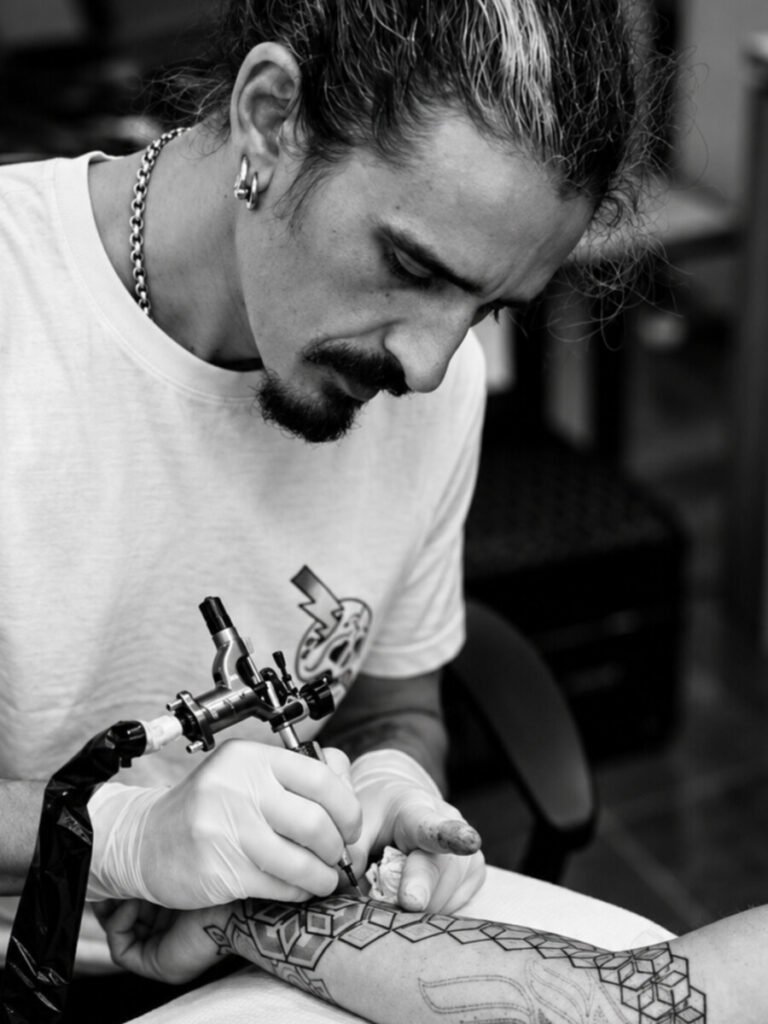
Kosta has been tattooing professionally since 2012. He focuses primarily on geometric, ornamental, and neo-tribal styles, though he also has a fondness for blackwork, abstract, and old school. Geometric design, however, is the style he returns to most often. He enjoys combining individual elements, working with composition, and adapting designs to specific body types.

His Beginnings in Prague

He began tattooing around 2010 in Prague. At the time, he was living with several tattoo artists, some of whom had over twenty years of experience. He gained his first experience directly from them. He started by practicing on an orange using replicas of Mickey Sharpz machines and a borrowed liner; he then did his first tattoo on a person at a friend’s home in the kitchen. This was followed by tattooing models for nominal fees or for free, and a season at a walk-in studio by the sea. There, he worked night shifts and mainly did lettering and simpler designs. The large volume of work helped him gain confidence and improve his technical skills.

Since 2012, Kosta has worked at several studios in Prague. He started at Bloody Blue Tattoo, and later worked at No Name Tattoo and Kinky Tattoo as well. He is now part of Root Down. He doesn’t really seek out conventions or competitions. What matters much more to him is the work itself and the result – a satisfied customer.
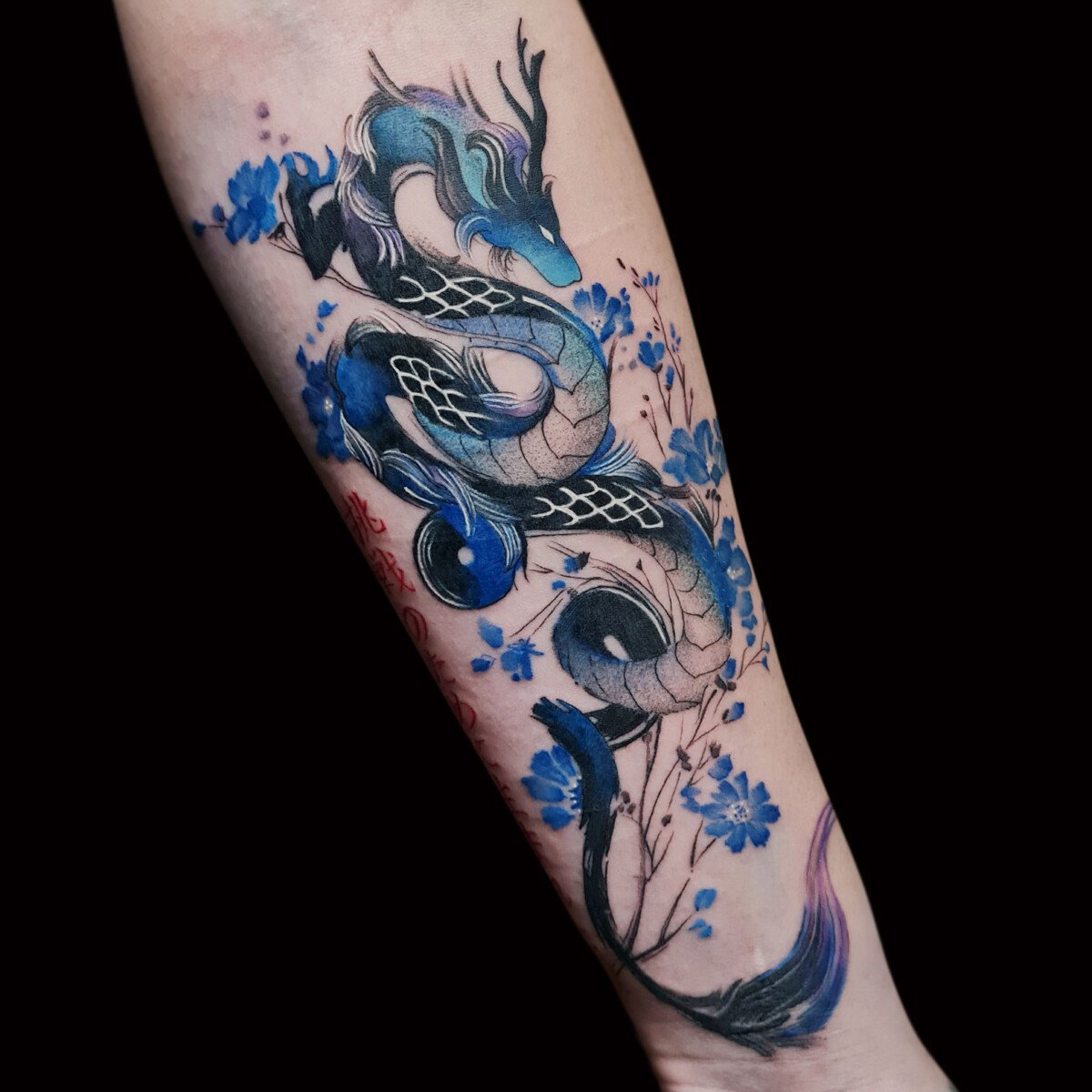
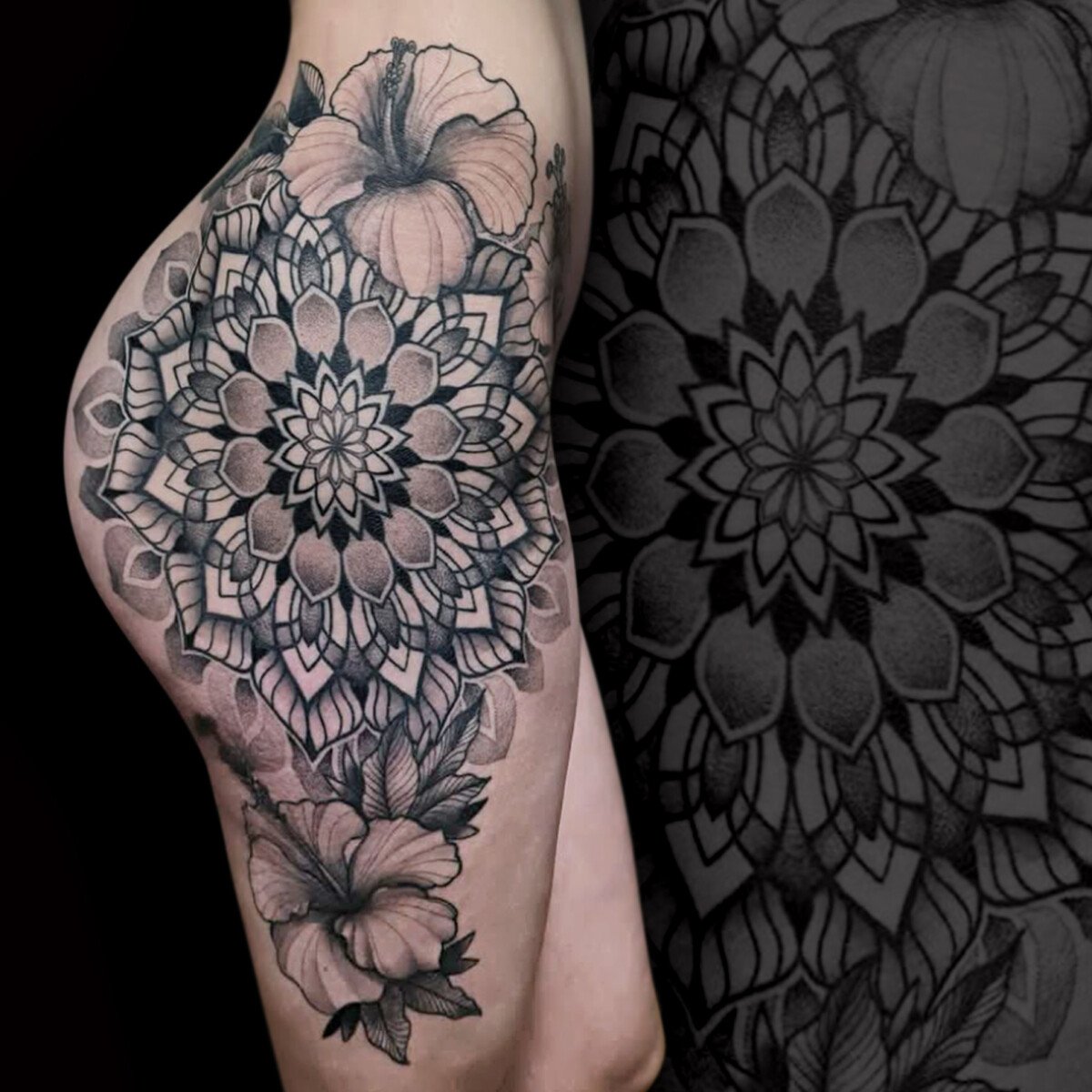
Tattoo Styles

Geometry, Composition, and the Body

Kosta draws inspiration from nature, architecture, and art galleries. A design may be created based on a specific brief, in collaboration with the client, or entirely freely. He also works freehand and combines a prepared stencil with a drawing done directly on the body. Anatomy is a fundamental part of his design process. Every person has different proportions, so the same motif won’t look the same on different bodies. He therefore adapts the composition, size, and level of detail to the specific person and location.

According to Kosta, a good tattoo must look good even when viewed from several meters away. The basic composition should be clearly legible, and the details should complement it, not overwhelm it. Proper contrast, the size of individual elements, and their overall balance are important. That’s one reason he doesn’t do micro-realism. He doesn’t believe that extremely fine details will hold up in the skin over the long term the way they’re supposed to. When evaluating his own work, he’s interested not only in the fresh tattoo but, above all, in how it looks once it’s healed.

Freedom and Trust

He prefers to work freely and with the client’s trust. At the same time, he respects the fact that the client will be wearing the tattoo, and the final design must also match the client’s vision. He takes an individualized approach with each client. With some, he talks during the session; with others, he listens to music and works in silence. He observes how the person is handling the tattoo, takes breaks as needed, and doesn’t like to rush his work. He considers hygiene, patience, and concentration to be essential.

In his personal life

Outside the studio, he rides an XC bike, works with wood, spends time in nature, and listens to music. The project he’s currently looking forward to is a large, colorful geometric design covering his entire body.